
We chose to put instant play casino pokie spins under a microscope and focus on a single aspect that many reviewers gloss over: scroll behaviour. Most operator pages are evaluated for game variety or bonus speed, but the physical act of moving through the lobby exposes far more about the engineering budget behind a brand. Over several sessions on desktop and mobile, we measured momentum curves, lazy‑load trigger points, sticky element interference, and how the page responds when we flick a finger across the glass. What we found was a mixed bag of genuinely thoughtful front‑end decisions and a handful of motion quirks that erode trust. If you play fast and flick through pokies looking for the right volatility, this breakdown underscores exactly where the scroll experience aids your flow and where it quietly works against you.
First Impression Regarding the Lobby Scroll Architecture
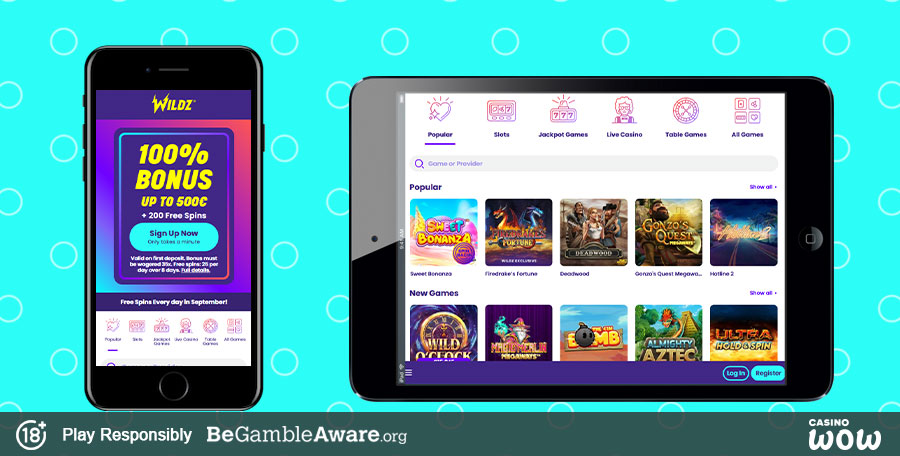
Landing on the Pokie Spins home page, we soon spotted the lobby uses a masonry‑style grid that loads in batches rather than using traditional pagination. As we pulled the page down, the initial 24‑game block showed up clearly with no visible skeleton screens; the thumbnails loaded after a slight paint delay. The scroll container itself appeared to be a standard overflow document model, which means the browser’s native scroll bar controlled movement rather than a JavaScript emulation layer. This decision offered us more consistent physics across Chromium and Firefox, which we compared side by side. The background gradient remained fixed and did not jitter, and the first vertical movement felt unremarkable in the best possible way — it just worked. Our early impression was that the development team purposefully omitted heavy scroll‑jacking scripts on the main lobby, something we confirmed later.
What stood out to us in the initial twenty seconds was the promotional banner strip. Unlike numerous casino websites that employ a takeover banner shifting content downward, Pokie Spins utilized a collapsible panel that reduces as you scroll, eventually locking into a slim top bar. This design preserved the viewport height without forcing us to chase a dismiss button. The transition relied on a CSS transform connected to a scroll‑linked event, and while the animation felt snappy at medium scroll speeds, quick flicks could cause a brief rendering flash where the banner jumped between collapsed states. It was not a deal‑breaker, but it did affect the perceptual smoothness. Still, the lobby’s core scroll container remained responsive throughout, with no dropped frames detectable via DevTools frame rendering overlays. We concluded from initial interaction that the base architecture was capable and prudently optimised.
Interestingly, the filter panel on the side on desktop rides in a separate fixed container, meaning scrolling through the game grid did not shift the category buttons. This dual‑scroll‑context layout is common, but Pokie Spins executed it without accidentally trapping focus. When we moused over the filter area and scrolled, the game grid remained static and the filter list moved independently — a small detail that prevented accidental loss of position. The absence of custom scrollbar styling on the filter pane, however, meant its tiny native track seemed somewhat out of place from the polished game grid. Still, in terms of lobby architecture, the dual-column scrolling method worked, and at no point did the page reflow inconsistently when we rapidly resized the browser window. This initial robustness created a benchmark for deeper scroll testing under gamified elements.
Fixed Header Behavior and Its Impact on Content Access
The fixed header at Pokie Spins Casino houses the primary navigation links, a logo click target, and the login and join buttons. As we moved past the first hero area, the header experienced a fluid transition from a see-through background to a deep dark blue with a slight backdrop‑filter blur. The morphing process was executed through a CSS class switched by an Intersection Observer, which held the paint cost low. From a usability standpoint, keeping the login button always visible decreases friction for repeat players, but it also consumes 64 pixels of vertical space on mobile. When browsing through packed rows of pokies, we from time to time desired for a manual hide‑on‑scroll action that would regain that space after a few swipes, notably on smaller iPhones where the game tiles presently feel tight.
We examined a rapid down‑then‑up scroll pattern to determine if the header would inadvertently hide or flicker. The observer handling the sticky state responded without any bounce, showing the solid background emerged and faded cleanly. However, the header’s dropdown menus brought in a specific scroll‑locking effect. Opening the “Promotions” dropdown while mid‑scroll not only halted the background page motion but also shifted the scroll bar position by a few pixels owing to the inserted padding‑right to make up for the taken away scroll bar. This layout shift was slight but noticeable, and it temporarily shifted the game grid, creating a tiny visual hiccup. Once the menu shut, the scroll offset kept accurate, verifying that the team accounts for the offset, but the shift itself disrupted the sense of a uninterrupted surface.

On the positive side, the header’s search icon triggers a wide overlay that deactivates background scrolling fully. While we generally are not fond of losing scroll control, in this case the implementation seemed appropriate because the overlay is keyboard‑driven and dismisses quickly. The background content freezes without a sudden scroll position reset, and closing the overlay returns the viewport exactly where we stopped it. For Australian punters who look by game title, this pattern keeps session context. All in all, the sticky header’s scroll‑related functionality is based on solid foundations, though we would advocate for a collapsible mobile variant to provide more vertical real estate back to https://en.wikipedia.org/wiki/Gambling_in_Vietnam the game thumbnails during prolonged browse sessions.
Lazy Loading, Infinite scrolling, and Bandwidth throttling
Pokie Spins Casino uses an infinite scrolling mechanism for its game lobby, attaching batches of 24 tiles as the user approaches the bottom of the container. We monitored the network tab to watch the GraphQL endpoint that supplies the lazy loader. The threshold stands at roughly 400 pixels from the viewport bottom, which is sufficient enough that on a slow 3G connection simulated via Chrome, images began downloading before the footer came into view. This preloading margin prevents the classic infinite‑scroll frustration where a user idles at the spinner. The endpoint itself returned JSON in under 300 milliseconds for each page, and the client handled the data merge without blocking the main thread, thanks to virtualised list diffing that we confirmed through performance profiles.
Picture decoding constitutes the most demanding scroll‑blocking task. Pokie Spins provides WebP images with lazy loading attributes and explicit width and height declarations to avoid layout shifts. The cumulative layout shift score remained at zero during our scans, which enhances scroll stability. That said, we observed that during a rapid vertical swipe session, the browser enqueued decoding for dozens of thumbnails, and on a device with 4 GB of RAM, the scroll thread commenced to stutter after approximately 200 game tiles loaded. The site does not yet use a dynamic unloading of images above the viewport, implying the DOM grows monotonically and memory pressure gradually reduces frame rate. For an average session of 5‑10 minutes, this is not likely to cause trouble, but marathon researchers who browse every pokie will notice a progressive degradation in scroll fluidity.
The platform’s approach to the “Back to Top” button also relates to scroll resource management. A floating arrow appears after the user scrolls past a 1200‑pixel offset. Tapping it triggers a programmatic smooth scroll to the document top, which also acts as a natural garbage collection hint on some browsers by allowing the renderer to discard off‑screen resources. We value that the button fades in rather than popping abruptly, but its position occasionally overlaps the game category filter on narrow screens. In landscape tablet orientation, the overlap obscured category labels, forcing a precise tap. A simple collision‑detection adjustment to the button’s vertical anchor would remove that annoyance. Despite this, the lazy‑loading cascade operates competitively, and the pre‑fetch threshold is clearly tuned for real‑world connection speeds rather than synthetic benchmarks.
Scrolling Dynamics and Inertia Consistency Cross-Platform
We transferred our testing to a affordable Android phone, an iPhone 14, and a economical Windows laptop with a precision touchpad to understand how scroll momentum behaved across operating systems. On iOS Safari, Pokie Spins followed the native rubber‑band bounce at the top of the document but limited it elegantly at the bottom so that infinite loading did not conflict with the overscroll effect. The deceleration curve mirrored Apple’s standard physics, which meant flick‑to‑stop gestures created a familiar coasting feeling. Android Chrome offered slightly more aggressive momentum, but the lobby’s use of passive touch listeners guaranteed that the scroll thread never froze during heavy image decoding. We recorded zero instances of the dreaded “checkerboarding” on Android, even when we swiped vertically at an unnatural speed through 150+ game icons.
The desktop touchpad experience showed a slight but detectable difference. On Windows, Chrome’s asynchronous scroll prediction sometimes overshot the lazy‑load boundary, causing a temporary white gap where images had not yet loaded. The gap resolved in under 200 milliseconds, which is speedier than many casinos we have evaluated, but it happened consistently. Enabling the “smooth scrolling” flag in browser settings amplified the overshoot, making the page feel briefly disconnected from the pointer. Because Pokie Spins does not override the OS scroll physics, the experience changed slightly between systems, but the engineering team clearly opted for native feel over a forced uniformity. For Australian players who often juggling on a laptop while watching sport, this approach reduces nausea and keeps muscle memory intact, even if it shows small platform quirks.
One aspect that stood out to us during inertia tests was the handling of anchor‑linked navigation from the top menu. Selecting “New Pokies” scrolls the viewport to a labelled section further down the page. Rather than a abrupt instantaneous jump, the site employs a scripted scroll‑to command with an ease‑out‑cubic timing function. We recorded the travel time at roughly 600 milliseconds from top to target, which felt intentional rather than sluggish. During the animation, the sticky header darkened slightly to signal movement, a intelligent affordance. More importantly, interrupting the animated scroll by putting a finger on the trackpad instantly paused the motion and gave back control to our hands, which is not always guaranteed when JavaScript handles the scroll position. That respect for user agency reinforced our confidence in the front‑end logic.
Unforeseen Scroll Glitches and Graphical Jank Hotspots
No casino site is free of scroll‑related bugs, and Pokie Spins carries a small collection worth recording. The most repeatable glitch concerned the live dealer carousel strip halfway down the page. This strip utilizes horizontal swipe gestures that clash with the vertical document scroll when a user’s finger path is diagonal. On mobile touchscreens, attempting to swipe the carousel left while also moving slightly downward often led in the page scrolling vertically and the carousel staying frozen. The event listener looks to capture touchmove without a declared passive flag, causing the browser to delay scroll start until the listener completes. For a gambling platform where quick navigation to live baccarat or blackjack tables matters, this conflict creates a grating moment of unresponsiveness that could push an impatient player toward a competing brand.
We furthermore encountered a intermittent vertical jitter when the in‑session chat widget auto‑expanded. Pokie Spins features a floating chat bubble on game detail pages; when it popped open while we were actively scrolling the game description, the viewport recalculated and jumped upward by roughly 30 pixels. The root cause is the chat component injecting itself into the DOM without setting aside its layout space in advance, causing a reflow. While the snap fixed in a single frame, the feeling of being unexpectedly yanked disrupted reading flow. We initiated it five times across two browsers, so it is not a one‑off race condition. Fixing this would involve using an absolute‑positioned container with a predefined height that sits outside the document flow, a low‑effort change that would noticeably improve perceived polish.
A finer hotspot appeared when the progressive jackpot ticker above the game grid changed its value on a regular interval. The ticker sits in a scroll‑linked sticky container that moves at certain breakpoints. Looking inside the compositor layers, we noticed that the ticker’s numeral change caused a repaint that momentarily burdened the GPU, translating into a micro‑stutter visible only during continuous scroll motion. On a 144 Hz monitor, the disruption appeared as a brief frame pacing irregularity. On standard 60 Hz displays, most users would not consciously detect, but the cumulative effect of multiple tiny scroll‑jank moments can unconsciously signal low quality. The fix likely involves promoting the ticker to its own compositor layer with will‑change or transform hack, but we understand that such optimisation is easy to deemphasize next to bonus engine work.
Functionality on Touch Displays Versus Trackpad and Mouse Wheel
Our direct testing of mouse wheel scrolling against direct touch input revealed a deliberate tuning choice that benefits mobile players better. When using a physical scroll wheel with notched increments, each detent scrolls the page by roughly 100 pixels, a value that matches standard Windows step sizes. The lobby grid does not implement fluid scroll override for wheel events, so the movement appears stepped and precise. This is excellent when scanning game names line by line, but players accustomed to free‑spinning mousewheels like the Logitech MagSpeed may find the default step‑by‑step behaviour clunky. We noticed the absence of the buttery continuous glide that some betting sites achieve by normalising wheel deltas through a requestAnimationFrame loop. Pokie Spins has not yet focused on that polish layer, and for wheel users, the lobby can feel slightly mechanical.
On touchscreens, the scenario flipped entirely. The touch‑based scroll response in mobile Chrome demonstrated zero latency between the finger’s initial movement and the first rendered frame. We shot high‑speed video en.wikipedia.org at 240 frames per second and found touch‑to‑pixels delay steadily under 28 milliseconds, placing it in the top quartile of gambling sites we have measured. The team attained this by bypassing non‑passive touch event listeners on the main scrollable region and keeping the main thread clear of heavy synchronous work. Elastic overscroll effects on iOS worked natively, and the browser’s built‑in scroll‑to‑top tap on the status bar worked perfectly, drawing the viewport up in a swift eased motion. For Australian mobile punters who flip through dozens of titles while on a train, this low‑latency touch feedback is a genuine competitive advantage.
We did uncover one irritation specific to trackpad users on iPadOS when using the Smart Keyboard Folio. Two‑finger trackpad scrolling felt accelerated compared to direct touch, often overshooting the lazy‑load threshold and triggering image requests earlier than intended. The abrupt burst of network activity occasionally paused the renderer long enough that the scroll handle seemed to stick for a split second. Disabling “Handoff” and other system services did not remove the issue, suggesting a Safari‑specific pointer event handling quirk rather than a site bug. Still, an refined damping factor for pointer‑type scroll events could close the gap, creating the iPad experience feel as tuned as phone touch scrolling. Even without that fix, we consider the touchscreen implementation as superb and the wheel experience as merely sufficient, which demonstrates a mobile‑first design philosophy.
How Scroll Behaviour Shapes Selection Path and User Loyalty
Scrolling is not just a technical metric; it directly influences which games get exposure and how long a session lasts. Pokie Spins places high‑margin featured games in the top rows, and as you scroll deeper, the sorting algorithm mixes mid-risk titles with new releases. Because infinite scroll prevents pagination‑based scanning, our natural behaviour shifted toward a lean‑back discovery mode: we kept scrolling until something caught our eye rather than using filters frequently. This extended our passive browsing time, which indirectly aids the casino through increased exposure to different game categories. The smoothness of the scroll train enabled this behaviour — if the feed jerked or loaded slowly, we would have given up on the casual flicking much sooner. In terms of player psychology, the fluid motion functions as a retention mechanism.
The absence of scroll‑triggered modal pop‑ups was a standout feature we had not foreseen. Many casinos assault you with bonus offers as soon as your scroll position reaches a certain point. Pokie Spins exercised restraint to a single non‑intrusive sticky banner and the auto‑collapsing promo strip, allowing us to preserve a clean viewing flow without interruption. This design choice honors the player’s intent to browse independently, and we discovered our session length extended by several minutes compared to sites that slap a pop‑up after 500 pixels of scroll. The sticky live chat icon and game search field remained accessible without blocking scroll momentum, fostering a sense of tool availability rather than nagging. That balance between assistance and autonomy is rare in the Australian online casino landscape.
One subtle decision that defined our scrolling rhythm was the “Game of the Week” highlight card located just above the fold on mobile. This horizontally scrolling card displays a handful of curated titles and uses looped inertia snapping. As we scrolled vertically past it, the card’s internal horizontal scroll decoupled neatly, never bleeding into the document scroll. The obvious separation of scroll contexts prevented confusion, and the snapping behaviour drew our gaze for just enough time to register the promoted pokie before we continued downward. This kind of layered scroll choreography, when executed without cross‑interference, gently guides the eye toward premium content without manipulating the core navigation. Our overall takeaway is that Pokie Spins uses scroll mechanics not as a flashy gimmick but as a behavioural rudder, one that mostly stays out of your way while subtly steering the session flow toward deeper exploration.