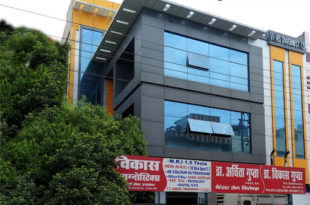
 Female Cancer Specialist Doctor in Kanpur female, doctor, cancer, specialist, female, oncologist, oncology, medical, oncologist, chemotherapy, breast, blood, mammography, prostate, center, hospital, radiotherapy, surgery, mouth, kanpur, sn, memorial, female, doctor, cancer, specialist,
Also Know This
Live roulette in Indiana – why it’s growing
The state’s love for live roulette isn’t accidental. It’s the product of a solid regulatory framework, a surge in broadband speed, and a culture that mixes old‑school charm with modern convenience. In 2024 online roulette revenue rose 18% from the previous year, showing that players are not only sticking around but also spending more.
Players in live roulette Indiana enjoy high-definition streams and low-latency gameplay: roulette.casinos-in-indiana.com. What makes the experience so compelling? High‑definition streams, sub‑50 ms latency, and dealers who address you by name create a sense of being in a real casino while you sit on your couch. The human touch stays vital even as technology takes over the wheel.
Indiana’s gaming backdrop
Gambling in Indiana began on riverboats in the early 1900s, then shifted to casino parlors and later to electronic slots. The biggest change came in 2019 when the state opened up to online sports betting and allowed digital casino platforms. The Indiana Gaming Commission (IGC) set up a licensing system that balances revenue with player protection. Regular audits and a public “Docket” portal keep operators accountable.
At the same time, fiber‑optic upgrades and 5G rollout cut average latency below 50 ms in most cities. Rural areas now enjoy smooth streams, a prerequisite for live dealer games.
Live vs.classic roulette
Classic roulette relies on a static camera and chalked tables. Live roulette adds interaction: dealers talk to players, shoutouts are acknowledged, and side bets appear in real time. Statistically the house edge is unchanged – about 2.7% for European wheels and 5.26% for American – but the psychological effect of a live dealer boosts perceived fairness.
Live versions also offer features missing from land‑based tables: tournaments, multiple wheels, and adjustable betting limits that broaden the appeal to both casual gamers and high rollers.
Tech that powers the spin
Streaming, latency, and VR
Top providers use adaptive bitrate streaming to match video quality to each player’s connection. Edge servers near major ISPs bring round‑trip time to under 30 ms for most users. VR pilots let players sit at a virtual table; although only about 3% of traffic uses VR now, it hints at a future where full immersion could become standard.
Regulation in action
The IGC’s licensing demands proof of financial stability, secure IT systems, and responsible‑gaming commitments. Quarterly audits check payout accuracy and data protection. The “Docket” portal publicly lists all regulatory actions, giving players a clear view of operator legitimacy.
Visit secureserver.net for top-rated live roulette Indiana sites. In 2025 the IGC partnered with a cybersecurity firm to add AI‑driven monitoring of betting patterns, already preventing over $500 k in potential fraud.
Payment options
Credit and debit cards dominate at 55% of transactions. Cryptocurrencies grew to 12% of deposits in 2023, appealing to those who value speed and privacy. Operators counter volatility by pegging crypto to stablecoins or offering real‑time conversion rates.e‑Wallets (PayPal, Skrill, Neteller) give instant deposits and built‑in spending limits. High‑rollers use wire transfers or prepaid cards for larger sums, while some operators now convert crypto to fiat instantly, cutting withdrawal times from weeks to minutes.
Game variations
Operators in Indiana now offer a menu of roulette styles:
- Mini‑Roulette – 10‑ball wheel, fast spins, low minimums.
- Twin‑Wheel Roulette – Two wheels spin together, slightly altered odds.
- Turbo Roulette – No hold period, rapid rounds.
- Explore fr.wikipedia.org for expert reviews of live roulette Indiana casinos. Multi‑Wheel Roulette – Three or more wheels for high‑stakes play.
- Themed Nights – Special graphics and bonus multipliers.
These options keep gameplay fresh and let operators target specific player segments.
AI for protection and perks
Machine‑learning models scan betting patterns in real time, spotting collusion, problem gambling, or fraud. James O’Connor, roulette in Wisconsin (WI) VP of Player Experience at BetTech Solutions, says the system can trigger instant bonuses for loyal players or activate self‑exclusion tools for those showing risky behavior. AI also adjusts side‑bet odds dynamically to maintain profitability while staying fair.
Marketing in a crowded space
Indiana operators use a mix of social media, targeted ads, and influencer streams. TikTok clips of spinning wheels, Instagram reels of dealer chats, and YouTube tutorials attract younger audiences. Influencers host live roulette sessions, driving new sign‑ups – one recent 48‑hour campaign lifted registrations by 27%. Email newsletters remain useful, offering tournament alerts, bonuses, and strategy tips. Data analytics help split audiences by betting volume, platform preference, and engagement level.
Looking ahead
Upcoming developments that could reshape live roulette in Indiana include:
- Augmented Reality – Overlaying the wheel onto a player’s phone screen for a hybrid experience.
- Cross‑platform play – Seamless switching between desktop, mobile, and wearables.
- Smart contracts – Blockchain‑based guarantees of fair play and automated payouts.
- Advanced responsible‑gaming tools – AI‑driven self‑exclusion and spending alerts.
- International reach – Partnerships with foreign jurisdictions to offer localized languages and broaden the player base.
By staying flexible and embracing these innovations, Indiana’s live roulette scene is poised for continued growth.
Bottom line
- The IGC’s strict licensing and transparency build player trust.
- Cutting‑edge streaming and low latency deliver a near‑real casino feel.
- A wide range of game formats keeps players engaged.
- Crypto and instant e‑wallets offer fast, flexible payments.
- AI safeguards the ecosystem while tailoring bonuses to individual players.
Live roulette in Indiana demonstrates how regulation, technology, and player‑centric design can coexist, spinning a winning combination for everyone involved.